Thought-provoking
5 stars
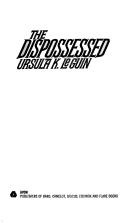
Ursula K. Le Guin: The Dispossessed (Hardcover, 1991, Harper Paperbacks) 4 stars
Slightly dated but still brilliant - as in other books, le Guinn makes you question society and suggest other ways of living together
311 pages
English language
Published Jan. 6, 1974 by Avon.
E-book extra: In-depth study guide.Shevek, a brilliant physicist, decides to take action. He will seek answers, question the unquestionable, and attempt to tear down the walls of hatred that have isolated his planet of anarchists from the rest of the civilized universe. To do this dangerous task will mean giving up his family and possibly his life. Shevek must make the unprecedented journey to the utopian planet, Anarres, to challenge the complex structures of life and living, and ignite the fires of change.
Ursula K. Le Guin: The Dispossessed (Hardcover, 1991, Harper Paperbacks) 4 stars
Slightly dated but still brilliant - as in other books, le Guinn makes you question society and suggest other ways of living together
Ich habe während dem Lesen oft gedacht: Das muß ich markieren. Das würde ich jetzt liken. Aber dann. . . wird gezeigt welche Gefahren dabei auch auftreten. Die Besprechung von Thomas Neubauer trifft es sehr gut.
Content warning CW nicht einvernehmlicher Sex, Gender-Binarität
"Eine andere Welt ist möglich" - nämlich Anarres. Die geschickte Struktur (wechselweise auf Anarres / Urras spielend, dabei zwischen Vergangenheit und Gegenwart springend) macht das Buch sehr rund. Auch das Zusammenspiel bzw. die Konkurrenz verschiedener Fraktionen und der anderen Planeten wirkt realistisch.
Kritikpunkte: * Der Hauptcharacter Shevek wird an einer Stelle sexuell übergriffig. Dies wird meines Erachtens nicht angemessen aufgearbeitet, auch wenn der Charakter sich schämt. * Gender ist hier noch binär gedacht, wenn auch sehr gleichberechtigt (das Buch ist aus den 70ern) * Auch wenn die Übersetzerin noch ein ausführliches Nachwort geschrieben hat, überzeugt mich (im Gegensatz zum Rest der Übersetzung) der Titel "Freie Geister" nicht. Besser wäre vielleicht "Die Befreiten" gewesen. Oder man hätte es bei einem der alten Titel gelassen.
Romanzo affascinante che esplora per temi come l'identità, l'appartenenza e la critica sociale. I personaggi sono complessi, veri. ome Shevek, affrontano dilemmi morali e relazioni umane autentiche, la storia sul piano emotivo è intensa. Lo stile è lirico e evocativo, il testo ricco di speculazioni filosofiche su tempo e spazio che sottolineano la relatività delle esperienze umane. La trama è comunque quella di un romanzo avvincente, con colpi di scena e sviluppi inaspettati e tutto. La rappresentazione di Anarres come una società basata su autogestione e solidarietà offre una visione di un'alternativa anarchica alle strutture di potere è onesta, critica, riflessiva e seppure sceglie chiaramente una parte, non scade mai nella propaganda e pone più domande di quanto non offra risposte.
( sol2070.in/2025/07/os-despossuidos-ursula-le-guin/ )
Reli recentemente Os Despossuídos (1974, 384 pgs), de Ursula K. Le Guin. Fiquei impressionado sobre como foi superficial e acelerada minha primeira leitura, há três anos. Não só tinha esquecido como é excelente, mas muitas coisas nem percebi ou vi só de relance.
O romance costuma ser chamado de “a melhor ficção anarquista[^1] já escrita”. Além disso, inclui especulações instigantes sobre a natureza do universo — na ideia de que o espaço (e, consequentemente, o tempo) é uma limitação específica da mente e percepção humanas, e não uma realidade física — e o problema ético sobre os fins justificarem os meios.
Como sempre, a humanidade das personagens é muito tocante — marca característica da consagrada escritora, asssim como o pano de fundo sociopolítico-ambiental.
Conta a estória de Shevek, um físico à beira de revelar uma teoria revolucionária. Ele é nativo do planeta Anarres, …
( sol2070.in/2025/07/os-despossuidos-ursula-le-guin/ )
Reli recentemente Os Despossuídos (1974, 384 pgs), de Ursula K. Le Guin. Fiquei impressionado sobre como foi superficial e acelerada minha primeira leitura, há três anos. Não só tinha esquecido como é excelente, mas muitas coisas nem percebi ou vi só de relance.
O romance costuma ser chamado de “a melhor ficção anarquista[^1] já escrita”. Além disso, inclui especulações instigantes sobre a natureza do universo — na ideia de que o espaço (e, consequentemente, o tempo) é uma limitação específica da mente e percepção humanas, e não uma realidade física — e o problema ético sobre os fins justificarem os meios.
Como sempre, a humanidade das personagens é muito tocante — marca característica da consagrada escritora, asssim como o pano de fundo sociopolítico-ambiental.
Conta a estória de Shevek, um físico à beira de revelar uma teoria revolucionária. Ele é nativo do planeta Anarres, quase desértico, onde as pessoas vivem sem hierarquias e autoridades, compartilhando tudo, mas entre dificuldades ambientais e de abastecimento. Anarres fica próximo do planeta Urras, um sendo a lua do outro. São espelhos invertidos. Urras é como a Terra hoje, há natureza relativamente abundante (em comparação com Anarres), além de riqueza extrema, mas totalmente concentrada numa oligarquia, enquanto a maioria absoluta suporta dificuldades.
Shevek tem contato com os físicos de Urras e sente que seu trabalho poderia ser melhor apreciado no planeta hierarquista. Então, fura a barreira ideológica e física entre os dois mundos e vai a Urras. Há interesses ocultos dos dois lados nessa visita, envolvendo ciência sem precedentes e insurreição.
A descoberta tem a ver com uma tecnologia-chave do universo hainiano de Os Despossuídos e outros sete romances, além de 13 contos: o ansível (ansible[^2]), que permite a comunicação instantânea entre vastidões de anos-luz.
A tecnologia se baseia na nova teoria física, em que objetos no espaço são simultâneos e não sequenciais ou lineares, a distância entre eles sendo subjetiva e não objetiva.
Em um entrelaçamento brilhante, essa especulação sobre a natureza da realidade se conecta com a utopia sociopolítica de Anarres.
Ainda criança, Shevek desafia seu professor com uma explicação matemática de um fenômeno corriqueiro. Uma pedra atirada em uma árvore, quando chega na metade do trajeto, ainda tem metade do trajeto restante para atravessar, e depois metade, e mais metade, sucessiva e infinitamente. A conclusão absurda é que a pedra nunca atingiria a árvore, segundo essa fórmula que, conceitualmente, não tem nada de errado.[^3]
O que fica implícito aí é que a matemática e a física lineares não capturam a realidade do modo como é. Isso, entre outros fatores, incita Shevek a buscar uma teoria mais coerente com a realidade.
Em algumas cenas, o livro se conecta à consagrada parábola de Le Guin Aqueles que se Afastam de Ômelas[^4]. A estória é sobre uma cidade de felicidade plena, em que as pessoas precisam autorizar que uma criança presa sofra muito para a manutenção dessa felicidade. Elas consentem justificando-se com a lógica de que valeria a pena apenas uma criança sofrer imensamente, se esse for o preço para a felicidade de milhares de pessoas.
Em uma cena de Os Despossuídos, entre outras, essa lógica também é questionada. Um motorista de trem carregando alimentos precisa escolher entre atropelar e matar algumas pessoas famintas querendo saqueá-lo, ou parar o trem e deixar saquearem, sacrificando o número muito maior de pessoas que está esperando o alimento.
Em Ômelas, algumas poucas pessoas não consentem com a tortura da criança, em nome de um bem maior. Não aceitam essa lógica. Obrigatoriamente, elas têm que sair da cidade, sacrificando o próprio bem-estar. Partem para um destino incerto, cheio de privações.
Nesse conto, não há menção ao anarquismo. Mas no conto O Dia Antes da Revolução, um tipo de prequela de Os Despossuídos, a conexão fica clara. No preâmbulo, Ursula se refere à revolucionária anarquista Odo (de Os Despossuídos) assim:
Essa estória é sobre uma daquelas que se afastou de Ômelas.
A autora tem uma definição ampla sobre o que define uma pessoa anarquista[^5]. Para ela, há algo essencial que antecede até mesmo noções sobre hierarquia e autoridade. Anarquista é “alguém que, ao escolher, aceita a responsabilidade da escolha”.
Como aquelas que se afastam de Ômelas, já que reconhecem que são elas que estão causando a tortura da criança e decidem não participar disso. Assim, aceitam o sofrimento pessoal consequente dessa escolha.
A austeridade material da vida em Anarres é um desses sacrifícios. Assim como a escuridão para onde caminham aquelas que se afastam de Ômelas.
O modo como elas enxergam o impasse sobre torturar ou não uma criança para que um número maior de pessoas tenham conforto é o seguinte: o sofrimento ou felicidade de alguém não é algo que uma equação matemática captura, não há sentido em sacrificar uma pessoa pela felicidade de mil outras.
Isso é similar à imagem de Shevek em que a pedra jamais atinge a árvore, porque tal equação matemática não captura o que acontece na realidade. Esse tipo de pensamento é um instrumento débil e insuficiente.
Shevek descobre a teoria que se aproxima mais da realidade absoluta, independente de percepções individuais subjetivas. E, de certo modo, isso é um reflexo da sociedade anarquista de Anarres, em que não pessoas não são reduzidas a números. Cada uma é valiosa pelo que é, e isso só enriquece e possibilita a expressão do todo.
O título “Os Despossuídos” é uma referência ao romance de Dostoiévski Os Possessos (de 1871, também traduzido como “Os Possuídos”, ou “Os Demônios”), em que ideologias políticas desumanizam as pessoas e chegam a validar violências diversas como um meio para fins supostamente nobres. Le Guin escreveu sua estória como um espelho invertido disso.
Reli o livro no clube de leitura Contracapa. Nas conversas, uma das perguntas que fizemos foi: “Você escolheria viver em Urras ou Anarres?” Não é uma escolha simples, porque Ursula, de modo brilhante, retrata Anarres como um lugar muito inóspito. Já Urras é como aqui, apesar das dificuldades, desigualdades e injustiças, não é um deserto (ainda) e há condições materiais relativamente abundantes.
Shevek se deslumbra com a natureza de Urras e sua riqueza, inicialmente. Ele se sentia mal em Anarres por estar alienado das outras pessoas, que não o compreendiam. Sai de Anarres também como um tipo de protesto. Entretanto, aos poucos vai conhecendo os horrores de Urras, que escondiam dele. Então, passa a dar valor a Anarres, percebendo mais nitidamente o que não conseguia ver.
As dificuldades de Anarres são todas circunstanciais: algumas pessoas difíceis, burocracias cristalizadas por aflições humanas, desastres ambientais, injustiças acidentais etc. Mas nada que não possa ser corrigido pela auto-organização das próprias pessoas. Ele e sua mulher inclusive sonham em criar uma comunidade mais genuinamente odoniana e livre, anarquista. Lá, isso é plenamente possível, nada impede.
Já em Urras, os problemas são sistêmicos. Para mudar algo radicalmente, só destruindo o sistema vigente. E qualquer movimento nessa direção é brutalmente reprimido e até aniquilado. Em uma cena que resume tudo, um ativista tem sua mão destroçada por balas porque ousou estendê-la a outras pessoas.
O fato de Anarres ser um local inóspito realça ainda mais a solidez e força de sua cultura. Por mais difícil que seja a situação, incluindo fome e escassez, nenhum colapso social jamais ocorre, devido aos valores essenciais da ajuda mútua e da associação voluntária (sem autoridades forçando nada).
É meu livro preferido de Ursula K. Le Guin, não apenas por essas discussões políticas, éticas e até pela espiritualidade cósmica laica. Nas relações humanas, também brilha como poucos.
Adoro o final. No retorno triunfal, com forte sugestão de que os valores odonianos não mais ficarão contidos num único planeta, Shevek também está radiante:
Era um homem liberto da prisão, indo para casa, para a família. Seja o que for que uma pessoa assim veja ao longo do caminho, ela vê apenas como reflexos da luz.
La semplicità di come la storia è raccontata e la familiarità di molti dei temi trattati hanno reso questa lettura, la seconda per me, fortissima. La storia parla di libertà personale e di senso della vita, di scienza e famiglia, di responsabilità e giustizia. Sono coppie che spesso nella nostra vita cozzano o almeno danno spinte divergenti e... Le Guin le mette lì, scritte e spiegate nei fatti. Il dilemma non è stallo e alle riflessioni seguono i fatti che guidano gli eventi raccontati.
Sono affezionatissimo a questo romanzo e gli voglio bene. Non tanto a Shevek, per quanto un buon personaggio, ma alla storia in sé e, quindi, all'autrice.
I'm have only read this once before and remember thinking it was heavy which - while not putting me off re-reading - meant it never floated to prominence on my to-read list. This time I found it, not "lighter" per se, but something, certainly. Overall, it meant that I really enjoyed it in ways I wasn't expecting.
Structurally, I liked the interweaving twin timelines (in a book about the physics of simultaneity and the past, present and future being present together was a nice touch). And this theme was interesting to see having just read The River Has Roots and its riddles relying on the acceptance of a past, present and future.
But so much to think on freedom.
Ein fantastisches Buch, das für mich neue Maßstäbe setzt. Dass sich Science Fiction gut für Gesellschaftskritik eignet ist bekannt, aber dieses Buch hebt das in neue Sphären. Es gibt kaum einen Aspekt der nicht thematisiert wird: Kapitalismus, Macht, Sexismus, Ausbeutung, Anarchismus und Solidargemeinschaften sind einige davon. Der solidarisch-anarchische Planet scheint zu Beginn des Buches wie eine Utopie, weil für uns unvorstellbar, aber die Autorin zeichnet das Bild der gerechten Gesellschaft so lebhaft, dass ich mir oft gedacht habe "Warum machen wir das eigentlich nicht auch so?". Aber im Laufe des Buches werden auch die möglichen Fallstricke aufgezeigt - die menschliche Natur lässt sich nämlich nicht ausschalten. Selbst in einer Solidargemeinschaft wird es immer Menschen geben, die egoistisch sind und nach Macht streben - auch wenn das System ihnen zumindest mehr Grenzen setzt, als ein kapitalistisches System. Es ist sicherlich kein einfaches Buch, immer wieder musste ich das Buch weglegen und …
Ein fantastisches Buch, das für mich neue Maßstäbe setzt. Dass sich Science Fiction gut für Gesellschaftskritik eignet ist bekannt, aber dieses Buch hebt das in neue Sphären. Es gibt kaum einen Aspekt der nicht thematisiert wird: Kapitalismus, Macht, Sexismus, Ausbeutung, Anarchismus und Solidargemeinschaften sind einige davon. Der solidarisch-anarchische Planet scheint zu Beginn des Buches wie eine Utopie, weil für uns unvorstellbar, aber die Autorin zeichnet das Bild der gerechten Gesellschaft so lebhaft, dass ich mir oft gedacht habe "Warum machen wir das eigentlich nicht auch so?". Aber im Laufe des Buches werden auch die möglichen Fallstricke aufgezeigt - die menschliche Natur lässt sich nämlich nicht ausschalten. Selbst in einer Solidargemeinschaft wird es immer Menschen geben, die egoistisch sind und nach Macht streben - auch wenn das System ihnen zumindest mehr Grenzen setzt, als ein kapitalistisches System. Es ist sicherlich kein einfaches Buch, immer wieder musste ich das Buch weglegen und über die Aspekte nachdenken. Trotzdem lässt es sich gut lesen und folgt auch abseits der bereits angesprochenen Themen einer unterhaltsamen Geschichte. Selbst jetzt - Wochen nachdem ich es fertig gelesen habe, muss ich immer wieder daran denken. Das Buch schafft es auf Anhieb zum Lieblingsbuch!
Listened to the '87 CBC audio drama of it and it was such a time capsule to audio productions from another era. The specific seductive feminine voice, the music, the way shevek sounds like he is the voice actor for some favourite Canadian children's cartoon.
Uno dei libri più belli che abbia mai letto. Un capolavoro che parla di come una volta fatta la rivoluzione bisogna continuare a farla.
...und erst recht diejenigen, die sich selbst als politisch links einordnen würden.
Der Protagonist Shevek lebt in einer anarchistischen Gesellschaft auf dem Mond Anarres, wo er sein Leben der Physik verschrieben hat. Das Buch erzählt abwechselnd aus der Vergangenheit und aus der Gegenwart, wo Shevek den Mond verlässt, um seine Forschungen in der kapitalistischen Gesellschaft auf dem Planeten Urras zu betreiben. Die beiden Handlungsstränge sind dabei sehr schön verwoben, immer wieder gibt es in der Gegenwart Momente, die im Kontext der vorigen Erzählung aus der Vergangenheit in einen anderen Kontext gerückt werden.
Keine der beiden Handlungsstränge ist jedoch konfliktfrei; in der Gegenwart muss Shevek sich in einem kapitalistischen System zurechtfinden, Machtspielchen mitspielen und sich selbst als Bauer im großen Schachspiel der Mächte auf Urras begreifen. Die Kapitel auf Anarres sind weniger akut konfliktreich, dafür erkunden sie umso mehr die positiven Seiten – aber, und das hat mir auch …
...und erst recht diejenigen, die sich selbst als politisch links einordnen würden.
Der Protagonist Shevek lebt in einer anarchistischen Gesellschaft auf dem Mond Anarres, wo er sein Leben der Physik verschrieben hat. Das Buch erzählt abwechselnd aus der Vergangenheit und aus der Gegenwart, wo Shevek den Mond verlässt, um seine Forschungen in der kapitalistischen Gesellschaft auf dem Planeten Urras zu betreiben. Die beiden Handlungsstränge sind dabei sehr schön verwoben, immer wieder gibt es in der Gegenwart Momente, die im Kontext der vorigen Erzählung aus der Vergangenheit in einen anderen Kontext gerückt werden.
Keine der beiden Handlungsstränge ist jedoch konfliktfrei; in der Gegenwart muss Shevek sich in einem kapitalistischen System zurechtfinden, Machtspielchen mitspielen und sich selbst als Bauer im großen Schachspiel der Mächte auf Urras begreifen. Die Kapitel auf Anarres sind weniger akut konfliktreich, dafür erkunden sie umso mehr die positiven Seiten – aber, und das hat mir auch sehr gut gefallen, auch die Fallstricke, die dem Ideal einer anarchistischen Gesellschaft letztendlich doch entgegenstehen. Shevek rückt niemals davon ab, dass die Gesellschaft auf Anarres gerechter ist, doch merken er und seine Freund*innen, dass die menschliche Natur auch dort Wege findet, um Macht und Bürokratie zu manifestieren, wenn auch weit subtiler als in kapitalistischen oder sozialistischen Gesellschaften.
Die Erzählungen aus der Vergangenheit enden dort, wo das Buch in der Gegenwart beginnt, sodass am Ende auch noch ein schönes Schleifchen um die Geschichte gedreht wird. Ich lag wirklich lange wach, nachdem ich das Buch abends gelesen habe und dachte über meine persönliche Beziehung zu der dort geschilderten Gesellschaft nach. Diskussionsstoff mit meinen Freund*innen hat es mir auch schon einigen gegeben. Ich würde das Buch eigentlich jedem ans Herz legen, der sich für die hier besprochenen Themen interessiert.
Einen halben Stern Abzug gibt es für die Party-Szene, in der Shevek zum ersten Mal Alkohol trinkt (auf Anarres gibt es keinen) und gegenüber einer Frau sexuell übergriffig wird. Die Szene existiert nicht ohne narrativen Grund, allerdings hat ihre Folgenlosigkeit für die weitere Handlung einen etwas bitteren Nachgeschmack bei mir hinterlassen.
Un libro bellissimo, che parla di anarchia più di quanto i testi anarchici criptici e volutamente astrusi alla comprensione abbiano mai fatto. La descrizione perfetta di una società capitalistica, patriarcale, guerrafondaia, classista in contrapposizione a chi ha effettuato la scelta di non volere più nulla di questo, di voler scientemente non possedere nulla di materiale o immateriale per poi in realtà condividere tutto. Certo nulla è perfetto e ci sarà sempre chi cercherà di esercitare il potere anche se in modo lieve, qualcosa scricchiola. Questo libro è entrato a far parte dei miei "libri fondamentali", quelli da dover leggere almeno una volta nella vita.
More plot than most of her books, it still turns back into a person on a journey. Shevek is on a journey from his anarchic home to a capitalist world. What propels him from a simple world of shared struggles? Why leave? When he arrives can he accomplish his goals? Is there something he can do that the people there couldn’t do for themselves? Will he be trapped and neutralized by the soft prison of luxury?
And how can he return home? What awaits an anarchist who is seen to turn his back on the revolution?
I love the deep thinking about language and the practice of mutual aid in a land with few resources. I love the true struggle to stay good when the droughts hit. And the challenge that centralization and coordination always brings. Everything is dealt with in indirect ways that paint larger pictures just …
More plot than most of her books, it still turns back into a person on a journey. Shevek is on a journey from his anarchic home to a capitalist world. What propels him from a simple world of shared struggles? Why leave? When he arrives can he accomplish his goals? Is there something he can do that the people there couldn’t do for themselves? Will he be trapped and neutralized by the soft prison of luxury?
And how can he return home? What awaits an anarchist who is seen to turn his back on the revolution?
I love the deep thinking about language and the practice of mutual aid in a land with few resources. I love the true struggle to stay good when the droughts hit. And the challenge that centralization and coordination always brings. Everything is dealt with in indirect ways that paint larger pictures just out of sight, beyond the edge of the book.
Highly recommend.
I wouldn't have described myself as an anarchist before this book; I would now. This book presents a form of society that has gripped me, and brought me hope. Truly excellent sci-fi.
Went into this book having heard not a lot about it, and did not expect it to turn into an anarchist manifesto, but was pleasantly surprised by the depth of the discussions between the characters and the vivacity of the world described. Will definitely purchase a copy for myself.