
Informative and enjoyable
4.5 stars
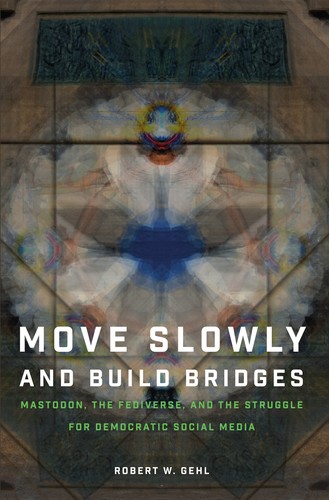
This study of the Fediverse focuses primarily on Mastodon, which makes sense in that it was the first project to adopt the ActivityPub protocol, and is by far the most popular platform in the Fediverse. (I personally have never understood the attraction of Twitter and microblogging in general, so Mastodon is not my preferred platform, Friendica is, but I cannot fault Gehl’s chosen focus.)
The book covers the development of ActivityPub, the history of Mastodon, various challenges that the Fediverse has faced, important movements within the Fediverse, and philosophical questions about the Fediverse and social media. It includes personal observations by the author, who is a Mastodon user and instance admin, and interviews with other Fediverse users, admins and moderators.
Appropriately, the book centers the ethics of the Fediverse. The majority of Fediverse developers and users are there for one or more ethical reasons—moving away from surveillance capitalism, …
This study of the Fediverse focuses primarily on Mastodon, which makes sense in that it was the first project to adopt the ActivityPub protocol, and is by far the most popular platform in the Fediverse. (I personally have never understood the attraction of Twitter and microblogging in general, so Mastodon is not my preferred platform, Friendica is, but I cannot fault Gehl’s chosen focus.)
The book covers the development of ActivityPub, the history of Mastodon, various challenges that the Fediverse has faced, important movements within the Fediverse, and philosophical questions about the Fediverse and social media. It includes personal observations by the author, who is a Mastodon user and instance admin, and interviews with other Fediverse users, admins and moderators.
Appropriately, the book centers the ethics of the Fediverse. The majority of Fediverse developers and users are there for one or more ethical reasons—moving away from surveillance capitalism, seeking spaces that are safe for marginalized communities, rejecting censorship, etc. To not focus on the ethics of the project would have been to grossly misrepresent the Fediverse.
While I would have loved for the book to cover the Fediverse more broadly, I think that it does what it does very well.